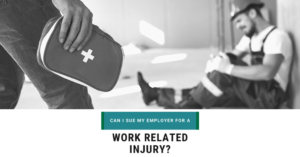


Keep original accident photos and video, make a backup and record where each file came from. A useful image needs context: when it was taken, what it shows and what it cannot establish.
Keep the original. Explain the context. Leave the gaps visible.
A small photo log
Hypothetical entries—not evidence from a client case:
- Original phone photo: Taken after a fall. Shows a spill and a warning sign. The photographer saw an employee put the sign there after the fall; note that sequence separately.
- Cropped copy: Made later to point out the spill. Keep it labelled as a crop alongside the untouched original.
- Witness video: Received by message. Record who supplied it and when; request the original file if available. Do not assume the displayed device time is independently verified.
For your own log, use five fields: file, source, place/time, what it shows and what remains uncertain.
Save files before editing or sharing
Retain the original files and a backup. Keep useful messages identifying the source. Sending an image through an app may change its quality or file information, so keep the version you started with.
Do not use generative AI to fill in damage, recreate a scene or add details. If you make a crop or annotation for explanation, keep it separate and describe the change. Preserve images even when they appear unhelpful to your position.
Show the surroundings as well as the damage
When it is safe, a wider view can show road markings, lighting, sightlines, the approach to a hazard or the position of a sign. Close-ups serve another purpose. Do not enter traffic, trespass or reenact an incident for a better shot.
A photo of where cars stopped may not show how they collided. A device timestamp may not prove the exact event time. Write down what you know without turning an inference into an observation.
Ask about other recordings promptly
Identify possible dashcam, business or security footage and ask how relevant recordings can be preserved. A camera’s presence does not prove it recorded the event or that footage still exists. Access and preservation are separate questions; do not access someone else’s device or system without permission.
The California Department of Insurance’s accident guide and California Courts’ evidence guidance explain the value of records.
Share what is needed through an appropriate route
Keep private images and identifying details out of public posts or openly shared folders. Ask your lawyer how to send the files and log. For a fall, use the scene and incident-report checklist; for a crash, learn how to request the investigating agency’s report.
For a matter within the firm’s practice areas, tell John what happened or call (888) 508-6806. Start with a summary rather than uploading private evidence into the first message.
General information only. Evidence requirements depend on the facts and the proceeding. This checklist does not decide fault or whether a file is admissible.